

Mint - Peppermint seeds
Description
Description

Growing Peppermint: A Gardener's Guide to This Refreshing Herb
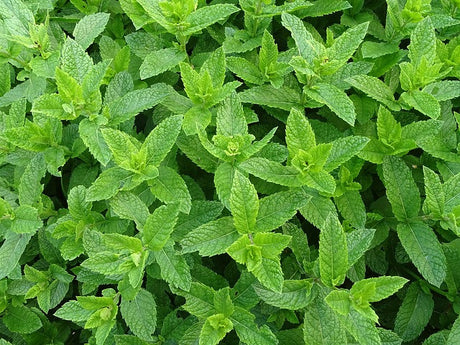
Peppermint is one of the most versatile and rewarding herbs you can grow in your garden. Whether you're planning to use it for tea, cooking, or simply enjoying its invigorating aroma, this hardy plant thrives with minimal care and produces abundantly throughout the growing season.
Why Grow Peppermint?
Beyond its delicious flavor, peppermint offers numerous benefits. It's naturally pest-resistant, attracts pollinators, and grows vigorously in most climates. Fresh peppermint leaves are far superior to dried versions you'll find in stores, and homegrown plants ensure you know exactly what you're consuming—no additives or preservatives.
Planting Peppermint
Peppermint prefers partial shade and moist, well-draining soil. Plant it in spring after the last frost, spacing plants about 12 inches apart. You can start from seeds, but many gardeners find that transplants or root divisions establish faster. One important tip: peppermint spreads aggressively through underground runners, so consider planting it in containers or a designated bed to prevent it from taking over your garden.
Watering and Care
Keep the soil consistently moist but not waterlogged. Water deeply once or twice weekly, depending on your climate and rainfall. Peppermint is relatively low-maintenance—it doesn't require heavy fertilizing, though a light application of compost in spring supports healthy growth. Pinch back the tops regularly to encourage bushier plants and prevent flowering, which extends your harvest window.
Harvesting Your Peppermint
Begin harvesting leaves once the plant is established, typically 6 to 8 weeks after planting. Pinch off leaves as needed for fresh use, or cut entire stems just above a leaf node. For the best flavor, harvest in the morning after the dew dries. You can harvest continuously throughout the growing season, and the plant will keep producing new growth.
Storing and Using Fresh Peppermint
Fresh leaves can be refrigerated in a plastic bag for up to two weeks. For longer storage, dry leaves by hanging stems upside down in a warm, dark place for one to two weeks, then strip the leaves and store in an airtight container. Dried peppermint makes excellent tea and retains its flavor for several months.
Growing peppermint is a simple way to add fresh flavor to your kitchen and create a beautiful, fragrant garden space. Start with just one or two plants, and you'll likely have more peppermint than you can use.

Click here to see 7 Awesome Mint Drink Recipes HERE
Follow SeedsNow.com's board Mint on Pinterest.
Frequently Asked Questions
What is the scientific name of the peppermint plant used for growing seeds?
What are the best conditions for growing peppermint from seeds?
How do I plant and care for my peppermint herb garden?
Can peppermint seeds be started indoors or should I plant them outdoors?
What are some tips for harvesting peppermint leaves at their peak flavor?
How does peppermint plant care vary depending on my climate?
Is peppermint from seeds easier to grow in containers or in a garden bed?
What is the difference between growing peppermint from seeds versus transplants?
How can I keep my peppermint plant healthy and prevent it from spreading too much?
What are the benefits of growing my own peppermint herb at home?
How do I store fresh or dried peppermint leaves after harvesting?
CLICK HERE TO VIEW ALL GROW GUIDES
CLICK HERE TO VIEW ALL GROW GUIDES
👇 MORE ARTICLES & BLOG POSTS 👇
|
SPRING & SUMMER GARDENING: Spring Gardening Chore Checklist - View Herbs & Veggies to Plant NOW for a Summer Garden - View Heat Loving Veggies & Herbs You Can Grow RIGHT NOW in Summer! - View 12 Plants That You Can Grow This Summer To DETER Mosquitoes - View Have a Better Summer Garden With These 7 Tips! - View
FALL & WINTER GARDENING: 5 Fall Vegetables Worth Growing In Containers This Year - View Grow a Fall/Winter Harvest - Plant these seeds in July/August - View Planting a Fall Garden. Step-by-Step - View How to Store Vegetables for Winter - View 10 Vegetables You Can Over-Winterize - View 19 Frost Hardy Vegetables to Plant this Fall - View Fall and Winter Gardening Made Easy - View 16 Crops To Plant NOW for Fall! - View 15 Vegetables You Should Be Planting NOW for a Fall Harvest - View Tips for Starting Your First Fall Garden & 19 Crops That Can Withstand Freezing (or almost freezing) Temperatures! - View Gardening Chores for January - View Our TOP 10 Favorite Fall & Winter Gardening YouTube Videos! - View 19 Crops You Should Try Growing This Fall or Winter - View TOP 9 QUICK GROWING CROPS FOR FALL & WINTER - View It's Winter! What to do in the garden now?! - View Most Popular Seeds to Plant Now for Fall/Winter Gardening - View SEED STARTING: 6 Tips That Every NEW Gardener Should Know - View Tips for Successfully Starting Your Seeds Indoors - View Egg Carton Seed Trays - View Use Muffin Tins To Start Your Seeds In! - View How do I Know Which Seeds to Direct Sow and Which to Seeds to Start Indoors? - View How to Get Better Germination From Your Seeds - View 9 Steps to Harden Off Seedlings - View 7 Tips For Using Rockwool To Start Your Seeds - View Are you starting enough seeds? - View What's the proper way to thin seedlings? 🌱 🌱 - View Seed Planting & Spacing Cheat Sheet - View WAIT! Don't start these seeds indoors yet! - View OK! It's time to start these seeds indoors NOW! - View RAISED BED GARDENING: Tips on Building Perfect Raised Beds! - View How to make a Hugelkultur Bed & What the heck is a Hugelkultur? - View How To Plant a Straw/Hay Bale Raised Bed - View CONTAINER GARDENING: 5 Simple TIPS to Growing Herbs in Containers - View 6 Tips for Gardening in Containers - View 9 of The Best Vegetables to Grow in Small Gardens - View 5 Fantastic Tips for Watering Your Container Garden - View Small Space Gardening Ideas For Your Boat or RV - View
RANDOM POSTS: Why You Should Join a Community Garden - View Inspirational Gardening Quotes! - View How To Make A Bean Teepee - View How to Build a Vine Tee-Pee - View How To Grow & Care For Your Strawberry Plants - View How to Grow Perfect Parsnips - View How Do You Cure Potatoes? - View How To Tell When An Eggplant Is Ripe - View Everything You Ever Wanted To Know About Squash Blossoms - View 4 Easy Steps to Dry & Cure the Small Ornamental Gourds You Grew! - View 8 Gardening Hacks You Need to Know - View Tips for Growing More Food Indoors, All-Year-Long! - View Everything you need to know about gardening through all the seasons - View 14 Green Fruits and Vegetables You Should Be Eating - View How to Use a Mason Jar as a Cloche - View Are You a First Time Gardener? Start Here! - View 5 Season Extension Techniques for Year-Round Gardening - View 32 Edible Perennials (or plants that can ACT like Perennials!) - View How to Grow Your Own Salsa Garden - View How To Make a Pizza Garden - View How To Successfully Plant a Straw/Hay Bale Garden - View The Secret to Building a Salad Keyhole Garden - View SPROUTS & MICRO-GREENS: How to Grow Sprouts at Home *Without Soil* - View How to Sprout Wheat Berries at Home in a Mason Jar - View How to Grow Sprouts Easily at Home Using a Mason Jar-View Micro-greens! The Benefits are anything but MICRO! - View ANIMALS & PETS: What to Plant for a Pet Friendly Garden - View Which Plants Do Bunnies, Cats, Dogs, and Chickens Like to Eat? - View How To Supplement Your Animal Feed by Growing Fodder at Home - View WATERING: Ways To Conserve Water in Your Vegetable Garden - View 8 Tips on How to Water More Efficiently - View COMPOST, MULCH, & SOIL AMENDMENTS: Composting DO's and DON'Ts - View 18 Things You Should Never Compost - View Your Vegetables Like Coffee, Just As Much As You Do! - View How to Use Coffee Grounds In Your Garden - View How to Use Eggshells in Your Garden - View How To Use Seaweed In Your Garden - View
|
PESTS & PROBLEMS // GARDEN CONTROL: Common Gardening Problems & How to Cure Them - View How To Attract Beneficial Ladybugs Into Your Garden - View Common Problems In the Garden and How To Fix Them! - View 3 Ways to Kill Weeds Naturally & Quickly - View Learn How to Recognize and Prevent Mosaic Virus in Your Garden - View 4 Trap Plants You Should Be Growing To Help Deter Pests - View 8 Ways To Get Rid of Garden Pests (Without Any Chemicals!) - View Natural Pest Control Methods - View HELP! My Plants are Tall, Thin, and Leggy. What should I do? - View How to Control Powdery Mildew, the Easy Way! - View Plant THESE To Attract More BEES! - View 15 Plants That Repel Mosquitoes - View Plants That Naturally Repel Mosquitoes - View Use Beer To Kill Slugs - View BEER = An Effective Method for Slug Control [Who Knew!?] - View Why Won't My Root Veggies Grow? - View How do You Use Epsom Salts to Fertilize Your Plants? - View FLOWERS // HERBS // POLLINATORS: Treat Your Ailments Naturally With Homegrown Herbs - View 15 Herbs You Can Grow at Home To Make Your Own Tea - View 10 MUST GROW Plants for Herbal Tea Lovers - View How to Grow an Indoor Herb Garden - View Top 4 Air Purifying Herbs You Can Grow Indoors - View 11 Easy To Grow Medicinal Herbs - View Healing Herbs That Anyone Can Grow at Home - View Top 6 Culinary Herbs You Never Knew You Could Grow Indoors, During Winter! - View 27 Plants That Produce Edible Flowers - View 38 Edible Flowers To Plant In Your Garden - View PRO Tips for Growing Wildflowers Successfully - View How to Grow Beautiful and Healthy Sunflowers - View Save the Bees! Plant a "Bee-Friendly" Garden Today! - View
LETTUCE, SALAD, & LEAFY GREENS: 7 Tips and Tricks for {Fresh} Lettuce {Longer} - View How to Grow a "Cut and Come Again" Salad Bar Garden - View Make Ahead "Salad in a Jar”- View The Secret to Building a Salad Keyhole Garden - View PEPPERS: How Hot Will My Peppers Be? Scoville Scale Heat-Ranking for Hot Peppers! - View Tips on How To Successfully Germinate Hot Pepper Seeds -View 15 Super HOT Varieties Every Pepper Enthusiast Must Try! - View Tips for Germinating HOT & SWEET Pepper Seeds - View
TOMATOES: 4 Ways to Ripen Green Tomatoes - View Tips for Controlling Tomato Hornworms - View How to Plant Tomatoes the Right Way - View How to Make Pickled Tomatoes, In Just 5 Minutes - View Spank Your Tomatoes! -Get More Fruit on Every Plant- - View 14 Companion Plants to Grow With Your Tomatoes! - View
GREENHOUSE: Tips for Growing Better in a Greenhouse - View HOOP HOUSE: How to Build a "Hoop House" for your Fall and Winter Gardening! - View HYDROPONICS & TOWER GARDEN: 15 Lettuce & Leafy Greens You Should Try Growing Hydroponically - View 80 Plants You Can Grow with Vertical Towers and Hydroponic Garden System! - View How to Plant a Vertical Tower Garden - View These are the most popular ways to grow food, Vertically! - View Aquaponics: Why It Works! - View Make A Vertical Planter with Terracotta Pots - View
SHADE: How to Grow Vegetables and Herbs in Partial Shade - View Which Vegetables & Herbs Grow Best in Light - Partial Shady Gardens? - View HEAT & DROUGHT: Heat-Loving Varieties that Grow Great in the Southern States - View 33 Drought Tolerant Crops For Dry or Hot Climates - View
DIY PROJECTS: How To Make Your Own Seed Tape - View Make Ahead "Salad in a Jar”- View Make a Tic Tac Toe Game For Your Garden - View How to Make Watermelon Candy - View [DIY] Honey-Lavender Luffa Gourd Soap - View
CANNING & PICKLING // RECIPES: Everything You Need To Start Canning Your Homegrown Vegetables! - View How Do I Can My Homegrown Vegetables? View Best Crops to Grow For the Home Canner - View How to Grow & Pickle Homegrown Peas - View Create Easy Pickled Radishes in Less Than 5 Minutes - View Which Vegetables are Best to Ferment? - View OTHER RECIPES: This is how you make the best hummus dip! DIY Recipe - View How To Make Amazing Zucchini Chips - View How to Make a Stuffed Zucchini Crocodile - View 7 Awesome Mint Drink Recipes - View How to Roast Garlic in the Oven - View |

continue shopping ...
🌱 Featured Collections
View seed catalog

















We now accept the following payment methods
About Our Seeds
About Our Seeds

|
GMO-FREE We also offer a few hybrid varieties on this website and they will be labeled as such on product listing. |

|
|
|
MOISTURE-PROOF PACKAGING All our seeds are packaged in high quality re-sealable moisture-proof packs designed to protect & extend the shelf-life of your seeds. We do NOT use paper envelopes. Read frequently asked questions |
 |
|
|
5-STAR CUSTOMER SUPPORT |
 |
|
|
SATISFACTION. GUARANTEED. |
 |
|
|
HIGHEST QUALITY SEEDS |

|
|
|
TOTALLY RAW & UN-TREATED |

|

Know where your food comes from.
Support local growers.
Grow your own Organic/GMO-FREE food!

Useful Links: [What is GMO?] [Step-by-Step Grow Guides] [Safe Seed Pledge] [FAQs]
WE DO NOT GROW OR SELL SEEDS FROM MONSANTO OR ANY OTHER COMPANY THAT IS AFFILIATED WITH GMO.
✓ NON-GMO
✓ HEIRLOOM
✓ OPEN-POLLINATED (OP)
✓ RAW, NATURAL & UN-TREATED
Safe Seed Pledge
Safe Seed Pledge
OUR PLEDGE TO YOU
Agriculture and seeds provide the basis upon which our lives depend. We must protect this foundation as a safe and genetically stable source for future generations.
For the benefit of all farmers, gardeners and consumers who want an alternative. We pledge to you that we do not knowingly buy or sell genetically engineered seeds or plants. The mechanical transfer of genetic material outside of natural reproductive methods and between genera, families or kingdoms, poses great biological risks as well as economic, political, and cultural threats.
We wish to support agricultural progress that leads to healthier soils, genetically diverse agricultural ecosystems and ultimately healthy people and communities.
We do not buy - OR - grow any seed from large corporations that make Genetically Engineered seeds. We don't touch that stuff and we never will.
The seeds we offer aren't like varieties you'd typically find at a garden center.
Every variety we offer is 100% OP (open-pollinated). Open-pollination means that you can safely save the seed after harvest and preserve a collection of heirloom seed for many generations to come.
To make it perfectly clear ... Our seeds do not contain any exogenously inserted embryogenesis deactivator genes caused by human intervention.
⭐⭐⭐⭐⭐
Highest Quality Seed, Guaranteed
... continue shopping!