All-in-One Culinary Herb Garden Seed Bank
$8999 USDUnit price /UnavailableDescription
The Culinary Herb Seed Bank includes everything you need to start growing your own herbs for cooking in the kitchen. It includes 12 of our most popular culinary seed varieties and everything you need to start growing them.
What's Included:
-
12 seed varieties (scroll down to view all the varieties that are included in this seed bank)
- 25 Seed starting pellets (the easiest way to start your seeds)
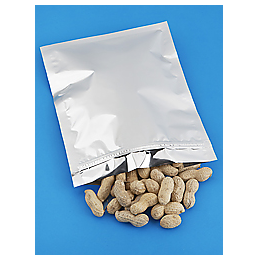
- Seeds are all individually packaged and labeled in resealable bags and then secured in a Mylar bag (provides two layers of protection from moisture and light)

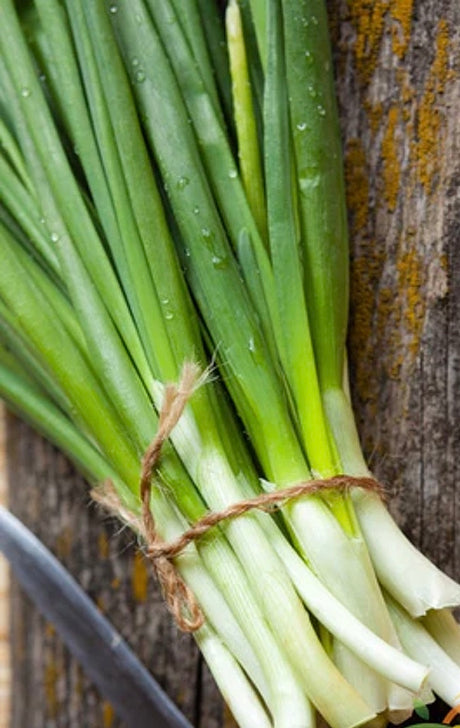
1. Chives (appx. 1,000 seeds)
Narrow, grass-like leaves have mild onion-like flavor.
Learn more
2. Cilantro (Coriander) - Slow Bolt (appx. 490 seeds)
This slow-bolting strain is grown primarily for its broad, deep green, celery-like, pungent foliage. Used in Oriental and Mexican cuisine. Use seed to flavor meats, pickles and baked goods.
Learn more
3. Cumin (appx. 1,000 seeds)
The Cumin seeds have widely been used to flavor rice, breads, beans, meats, and other dishes. Often used to flavor Curry Powder.
Learn more
4. Dill - Bouquet (appx. 450 seeds)
Annual. 3 ft. plant with strongly aromatic foliage, stems, and heads. Excellent for pickling.
Learn more
5. Fennel (appx. 1,000 seeds)
Produces very flavorful large bulbs and edible flower buds. Excellent for seasonings and for cooking as a vegetable. - Plant Height: 30" tall. Fennel is a very aromatic plant with a sweet licorice flavor, similar to an anise seed. Fennel has a long history of herbal use and is a commonly used household remedy, being useful in the treatment of a variety of complaints, especially those of the digestive system. Easy to grow. Many health benefits associated with this plant (see video below)
Learn more

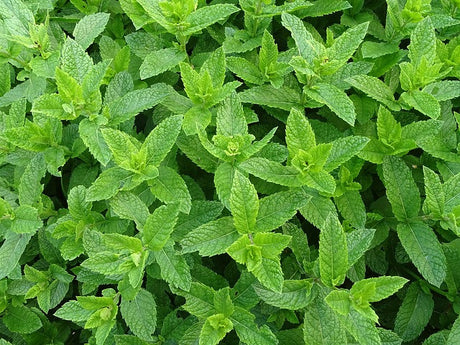
6. Lemon Mint (appx. 230 seeds)
Lemon scented leaves that can be used as a replacement for lemon in any dish or tea. Put mint leaves in the body of a chicken before cooking - adds excellent flavor and aroma. Excellent for poultry, lamb & pork stuffing. Makes a great marinade for fish too! Great for vinaigrette dressings. Lemon mint can be used many different ways in any culinary creations.
Learn more
7. Oregano - Italian (appx. 1,000 seeds)
Hardy 2 ½ inch plant with pungent, oval leaves and purplish pink flowers. Use fresh or dried in sauces and soups.
Learn more
8. Parsley - Dark Green Italian Giant (appx. 550 seeds)
Finely cut dark green parsley. Use this parsley for garnishing, and culinary decoration. Good heat tolerance.
Learn more
9. Rosemary (Appx. 100 seeds)
Excellent flavor - extremely fragrant. Perfect to use fresh or dried. Can be used to flavor many culinary varieties such as meats, soups, and sauces. Can be used for treating headaches and known to improve circulation. Perfect for containers.
Learn more
10. Summer Savory (appx. 1,000 seeds)
The Summer Savory plant grows tasty peppery flavored leaves. This is the herb to use if you want to flavor beans, cabbage, peas, and many other dishes.
Learn more
11. Tarragon (appx. 1,000 seeds)
Tarragon, aka Dragon Wort, is a popular herb widely recognized for its strong aroma and many culinary uses. A native herb of Europe. Used to compliment to many classic continental – mostly French – dishes.
Learn more
12. Basil - Italian Large Leaf (appx. 1000 seeds)
The Italian Large Leaf Basil plant will produce medium to large leaves that can measure up to 4" long! It is of heriloom variety and is extremely fragrant and used widely in the culinary industry. If you're a lover of basil, this would be a good variety to plant in your garden.
Learn moreWhat is a Seed Bank?
The answer is simple: a seed bank is your very own supply of open-pollinated, non-hybridized, NON-GMO seeds to be kept on hand in the case of an emergency or the unavailability of seeds.
There are many reasons to invest in a seed bank. Whether the market has changed or famine and war have changed the way we get access to seeds, these banks represent a secure way to begin planting quality foods.
All our seeds offer you the chance to replant the seeds after a successful harvest, making your investment in food one of the best values you will find. All of our seeds will produce organic produce when properly cared for.
While we remain optimistic about the future, we feel it is best to control your own food supply and live a healthier lifestyle with the best non-hybrid, non GMO seeds available today!-
12 seed varieties (scroll down to view all the varieties that are included in this seed bank)
All-in-One Culinary Herb Garden Variety Pack
$3999 USDUnit price /UnavailableDescription
Grow an indoor or outdoor culinary herb garden with your favorite herbs. Herbs will do well in a variety of locations, especially in containers. This variety pack is perfect for those who want to grow fresh herbs throughout the cooler months on their covered decks, patios and even indoor windowsills. This All-in-One Herb Variety Pack includes an assortment of our 15 most popular varieties. Seeds are all individually packaged.
Includes all of the following seed varieties:
1. Basil - HERB MIX (appx. 120 seeds)
Enjoy some of our most popular varieties of Basil Herbs. This is a special blend of basil varieties we carry, sure to be a show stopper! You'll enjoy a wide variety of Basil plants with great flavors! Very easy to grow and extremely popular for those that can't decide on which variety to try in their own garden! Learn more
2. Basil - Leaf Lettuce (appx. 120 seeds)
Annual plant. Produces very flavorful and tender basil leaves. Used in many different types of dishes. Leaves can be used dried, fresh, or frozen. 85 days to mature. Can be grown indoors in containers. Very easy to grow! Learn more3. Borage (appx. 65 seeds)
Borage is a fairly common herbal remedy that has been used since ancient times. It's best when grown in containers because it is extremely invasive. The flavor of these flowers is crisp and refreshing. Learn more4. Chives (appx. 115 seeds)
Also known as Garlic Chives. A perennial plant that grows narrow, grass-like leaves that have a mild onion-like flavor. Chives are rich in vitamins A and C, contain trace amounts of sulfur, and are rich in calcium and iron. Learn more
5. Cilantro (appx. 80 seeds)
This slow-bolting strain is grown primarily for its broad, deep green, celery-like, pungent foliage. Used in Oriental and Mexican cuisine. Use seed to flavor meats, pickles and baked goods. Learn more
6. Chervil - French Parsley (appx. 100 seeds)
Chervil, aka French Parsley, has many various traditional uses. Chervil is "a delicate annual herb related to parsley. It is commonly used to season flavored dishes." Learn more7. Fennel (appx. 100 seeds)
Produces very flavorful large bulbs and edible flower buds. Excellent for seasonings and for cooking as a vegetable. Plant Height: 30" tall. Fennel is a very aromatic plant with a sweet licorice flavor, similar to an anise seed. It has many medicinal uses and herbalists have been using it for centuries to relieve problems with the respiratory system, stomach muscles and intestines. Nursing mothers can expect increased milk production and fennel also has been used to soothe colicky infants. Learn more8. Lavender (appx. 50 seeds)
English Lavender is one of the most beautiful seeds you can plant in your garden.- Lavender is an herb. The flower and the oil of lavender are used to make medicine.- Lavender is used for restlessness, insomnia, nervousness, and depression. It is also used for a variety of digestive complaints, loss of appetite, vomiting, nausea, intestinal gas, and upset stomach.- Some people use lavender for painful conditions including migraine headaches, toothaches, sprains, nerve pain, sores, and joint pain. It is also used for acne and cancer, and to promote menstruation. Learn more9. Mint, Lemon (appx. 100 seeds)
Annual plant that is covered with beautiful pinkish purple colored flowers. - Lemon scented leaves that can be used as a replacement for lemon in any dish! Learn more10. Oregano, Greek (appx. 200 seeds)
Hippocrates used oregano as an antiseptic, as well as a cure for stomach and respiratory ailments. It is still used today in Greece as a palliative for sore throat. Oregano is also high in antioxidant activity, due to a high content of phenolic acids and flavonoids. Learn more11. Parsley, Dark Green Italian (appx. 60 seeds)
Finely cut dark green leaves. Flat leaves. Use this parsley for garnishing, and culinary decoration. Tolerates heat better than most varieties. Learn more12. Rosemary (appx. 20 seeds)
Excellent flavor and extremely fragrant. Perfect to use fresh or dried. Can be used to flavor many culinary varieties such as meats, soups, and sauces. Can be used for treating headaches and known to improve circulation. Perfect for containers. Learn more13. Lemon Balm (appx. 80 seeds)
The lemon balm plant produces beautiful lemon scented leaves. The leaves are typically used in teas, sauces, salads, soups, stews, and drinks. Lemon Balm tea is said to stimulate the heart and calms the nerves. A variety native of Europe. Perennial.Learn more
14. Summer Savory (appx. 220 seeds)
The Summer Savory plant grows tasty peppery flavored leaves. This is the herb to use if you want to flavor beans, cabbage, peas, and any other dishes. Widely used as a medicinal herb for curing sore throats. Use the leaves to make some tea and you'll be feeling great! Learn more
15. Thyme (appx. 350 seeds)
Plant spreads to form attractive 8 to 12 inch high mounds. Aromatic and flavorful leaves- Used to flavor meats, dressings, soups, and stews. Learn moreSprouts/Microgreens - Fenugreek seeds
From $999 USDUnit price /UnavailableDescription
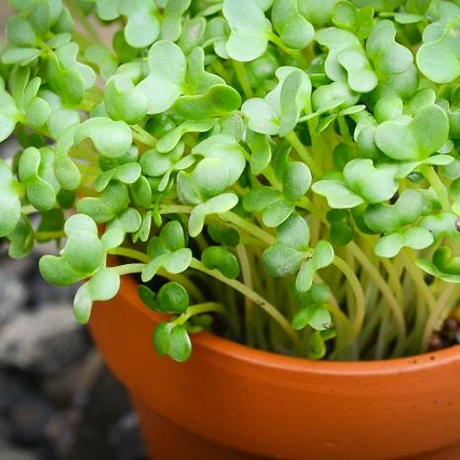
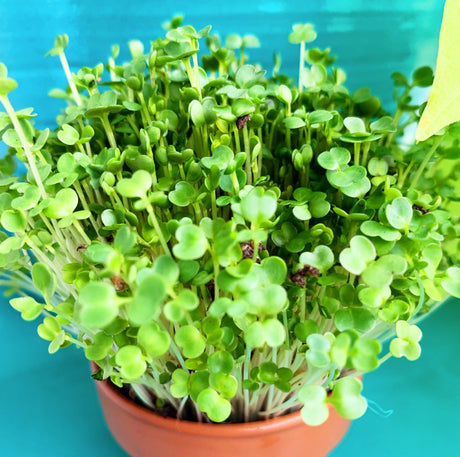
Sprouts/Microgreens - Broccoli seeds
From $699 USDUnit price /UnavailableDescription

- An easy to grow sprout that is extremely nutritious.
- Broccoli sprouts are 10x - 100x higher in some cancer fighting compounds than the actual mature vegetable!
- Certified Organic.
- Days to Maturity | 2-3 days
- An easy to grow sprout that is extremely nutritious.
- From $499 USDUnit price /Unavailable
Description
Epazote (Dysphania ambrosioides) is a culinary herb with a lemony green color and serrated leaves, traditionally used to add a bold umami-type depth to Mexican cuisine. Its flavor has been described as a mix of mint and savory with a bit of camphor or turpentine thrown in. An acquired taste. As a companion plant, it attracts beneficial insects and masks the scent of other plants that suffer from pest damage. Also used medicinally to help with stomach upset and to combat intestinal parasites. Can become invasive, so best grown in a container.
- Easy to grow
- Culinary and medicinal uses
- Days to germinate (sprout): 5-7 days
- Quick maturity—only 40 days
Sweet Woodruff (Sweet-Scented Bedstraw) seeds
From $499 USDUnit price /UnavailableDescription
Sweet Woodruff (Botanical name: Galium odoratum) also called Sweet-Scented Bedstraw, is a fast-growing, mat-forming herb and ground cover with dark green leaves and small, white, waxy, star-shaped flowers that bloom in spring. When crushed or cut, and especially dried, it has a grassy vanilla fragrance. Prefers partial to full shade, even under a Black Walnut tree. Add the leaves to fruit salads, jellies, and herbal teas, and use the flowers as an adorable and edible garnish. Reseeding and shallow runner roots enable it to spread easily.
- Grassy vanilla fragrance
- Culinary and medicinal
- Attracts bees, butterflies, and other pollinators
As a companion plant, it attracts all sorts of friendly pollinators to the garden.
As a medicinal herb, Sweet Woodruff has been used internally to treat congestion, insomnia, migraine headaches, nerve pain, and water retention, and externally to treat burns, wounds, and swelling.
⚠️ Contains naturally occurring coumarin and should not be ingested in large quantities if you are taking medication for circulatory disorders or are pregnant.
⚠️ Medicinal properties are presented as information only, and are not a recommendation or prescription for use. Consult a medical professional before using any herb medicinally.
SEED PLANTING TIPS
- Botanical name: Galium odoratum
- Life cycle: Herbaceous perennial
- Planting season: Spring, fall, winter
- Days to maturity: 90-120 days
- Depth to plant seeds: 1/4" deep
- Days to germinate (sprout): 10-200 days
- Germination soil temps: 60F-70F
- Spacing between plants: 8"-12" apart
- Spacing between rows: 18"-24" apart
- # of plants per sq. ft.: Appx. 1 plant per sq. ft.
- Soil types: Clay, sandy, loamy, rich, moist, well-drained
- Soil pH: 4.3-8.3
- Sun needs: Full shade, part shade
- Water needs: Average
- Cold stratify: Yes
- Frost tolerant: Yes
- Heat tolerant: No
- Drought tolerant: No
- Deer resistant: Yes
- Culinary use: Yes
- Medicinal use: Yes
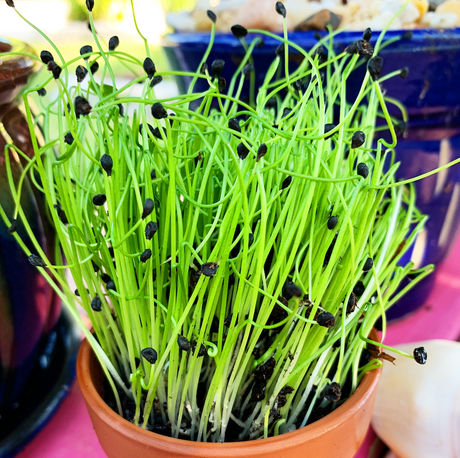
Sprouts/Microgreens - Onion seeds
From $499 USDUnit price /UnavailableDescription
Onion sprouts and microgreens are increasingly popular among indoor gardeners due to their rapid growth and nutritional benefits. These small, tender plants are not only easy to cultivate but also provide a fresh addition to various dishes. This guide will provide insights into the process of growing onion sprouts and microgreens indoors, focusing on the necessary conditions, techniques, and benefits.
Onion sprouts typically germinate within 7 to 14 days, making them an excellent choice for those seeking a quick harvest.
Soak the seeds in water for a few hours before planting can enhance germination rates, as it allows the seeds to absorb moisture and initiate the sprouting process.
For indoor cultivation, a shallow tray filled with a growing medium, such as potting soil or coconut coir, is recommended. The medium should be moistened but not overly saturated, as excess water can lead to mold growth. Once the seeds are evenly spread across the surface, a light layer of soil can be added to cover them. Maintaining a consistent moisture level is crucial during the germination phase.
Light is another critical factor in the successful growth of onion sprouts and microgreens. They require approximately 12 to 16 hours of light daily. Natural sunlight is ideal, but if this is not available, using fluorescent or LED grow lights can effectively supplement their needs. Positioning the lights about 2 to 4 inches above the plants will help prevent leggy growth while ensuring adequate light exposure.
Temperature also plays a significant role in the growth of onion sprouts. A range of 65°F to 75°F (18°C to 24°C) is optimal for germination and growth. Monitoring the temperature and adjusting the environment as necessary will promote healthy development. Additionally, good air circulation is essential to prevent fungal diseases, which can be a concern in indoor settings.
Harvesting onion sprouts and microgreens can begin once they reach about 2 to 4 inches in height, typically within 10 to 20 days after planting. Using scissors, cut the sprouts just above the soil line. This method allows for a clean harvest while minimizing damage to the remaining roots, which may allow for a second harvest if conditions are favorable.
Incorporating onion sprouts and microgreens into your diet can provide numerous health benefits. They are rich in vitamins, minerals, and antioxidants, contributing to overall well-being. Additionally, growing these plants indoors can enhance your culinary experience, providing fresh flavors and textures to salads, sandwiches, and garnishes.
In conclusion, growing onion sprouts and microgreens indoors is a straightforward and rewarding endeavor. With the right conditions and care, you can enjoy a continuous supply of fresh greens, enhancing both your meals and your gardening skills.
- From $499 USDUnit price /Unavailable
Description
- Perennial
- Low growing plant produces green leaves
- Used in salads and cooked like spinach
- Purslane is said to be effective in treatment of insect or snake bites on the skin, boils, sores, pain from bee stings, bacillary dysentery, diarrhea, hemorrhoids, postpartum bleeding, and intestinal bleeding
- Plant grows in poor soil and tolerates drought
⚠️ Always consult with your doctor and primary care provider before using or consuming herbs, flowers, seeds and/or plants for medicinal purposes.
Borage (Starflower) Flower seeds
From $499 USDUnit price /UnavailableDescription

Borage, also called Starflower, is a fast-growing flowering herb with bright blue star-shaped flowers and fuzzy stems and leaves, all edible and they taste like cucumber. Grows 1'-3' tall and reseeds liberally, so it can become invasive. Use the young leaves like spinach and the sweet little flowers as a charming garnish on salads and cakes, or frozen into ice cubes. Easy to dry and use as a refreshing herbal tea.
- Cucumber flavor
- Garden companion superstar
- Culinary and medicinal
- Spreads easily
A valuable companion in the vegetable garden, it repels cabbage moths, cabbage white butterfly, cabbage worms, and tomato hornworms; attracts pollinators and beneficial insects; acts as a trap crop for grasshoppers; and feeds the soil as a green manure or mulch.As a medicinal herb, Borage is used internally to treat anxiety, colds, congestion, cough, depression, fever, hot flashes, insomnia, irritable bowel syndrome (IBS), upset stomach, and urinary problems, and externally to treat insect bites and stings, skin irritations, and swelling.
⚠️ Toxic to pets and livestock. Do not ingest while pregnant or nursing, or if you have liver problems.
⚠️ Medicinal properties are presented as information only, and are not a recommendation or prescription for use. Consult a medical professional before using any herb medicinally.
SEED PLANTING TIPS
- Botanical name: Borago officinalis
- Life cycle: Herbaceous annual
- Hardiness zones: 2-11
- Planting season: Spring, summer
- Days to maturity: 55-60 days; can begin harvesting when 6" tall
- Depth to plant seeds: 1/4" deep
- Days to germinate (sprout): 5-14 days
- Germination soil temps: 65F-70F
- Spacing between plants: 12"-18" apart
- Spacing between rows: 18"-24" apart
- # of plants per sq. ft.: Appx. 1 plant per sq. ft.
- Soil types: Clay, sandy, loamy, silty, rocky, chalky, poor, dry, moist, well-drained
- Soil pH: 4.8-8.3
- Sun needs: Full sun, part shade
- Water needs: Average
- Cold stratify: No
- Frost tolerant: Yes
- Heat tolerant: Yes
- Drought tolerant: Yes
- Deer resistant: Yes
- Culinary use: Yes
- Medicinal use: Yes
Good Companion Plants: Basil, Broccoli, Bean, Brussels Sprouts, Cabbage, Cauliflower, Collards, Cucumber, Eggplant, Fava Bean, Kale, Marigold, Melon, Mustard, Pea, Pepper, Pumpkin, Radish, Soybean, Squash, Strawberry, Tomato, Zucchini

Borage is a fairly common herbal remedy that has been used since ancient times. It's best when grown in containers because it is extremely invasive. The flavor of these flowers is crisp and refreshing.


What is Borage?This gorgeous, but highly invasive medicinal herb will boast lovely blue and purple flowers and will get at least 5 feet tall wherever you plant it. Very easy to grow, it will re-seed year after year and will be a lovely piece for your garden. The flavor of the Borage flowers resemble cucumbers... cool and crisp.

Health Benefits of BorageBorage is wonderful and has a great reputation for it's beneficial affect on the mind. It's been used to dispel melancholy and induce euphoria. It's a soothing saline, diuretic herb that helps treat damaged or irritated tissues. The leaves can be used as well as an emollient and expectorant.

Ways to Consume BorageConsume these edible flowers in your favorite fresh salads or as a lovely garnish to any dish! Dry the leaves and flowers to make an herbal tea. Freeze these lovely flowers into ice cube trays. Try adding them to wine, cider, and other fruit drinks. Borage pairs well with all salads, most cheeses, summer-like beverages and even fish. You can even "candy" these flowers and use them as edible decorations on cakes, tarts and ice cream.

See Borage Recipes & Growing Tips on our Pinterest Board
Sprouts/Microgreens - Kale, Green Curly seeds
From $499 USDUnit price /UnavailableDescription
- Really easy to grow.
- Just let them grow until you see the first set of true leaves.
- Perfect for a micro-green salad.
- Makes a great addition to many culinary dishes.
- These sprouts have a mildly sweet flavor.
- Day to Maturity | 3-6 days
- Really easy to grow.
- From $499 USDUnit price /Unavailable
Description
Hybrid

Mint, Peppermint- Peppermint is typically used in teas, jellies, deserts, and salads.
- Extremely fragrant.
- Sweet smelling.
- Acts as a natural wasp repellant.
- Perennial.
- Can be used as a garnish on ice cream and drinks.

Click here to see 7 Awesome Mint Drink Recipes HERE
Follow SeedsNow.com's board Mint on Pinterest.
- Peppermint is typically used in teas, jellies, deserts, and salads.
Spotted Bee Balm, Wild Bergamot Flower seeds
From $499 USDUnit price /UnavailableDescription

- The Spotted Bee Balm plant produces a beautiful plant with purple spotted flowers known to attract bees and other beneficial garden pollinators
- Common names: bee balm, horsemint, oswego tea, and wild bergamot
- Smell is similar to Thyme
- Has been used in teas and for other medicinal purposes
- This plant is drought tolerant. Grows well in dry conditions, requiring little water to grow
- Can grow up to 40" tall
- Perennial
- The Spotted Bee Balm plant produces a beautiful plant with purple spotted flowers known to attract bees and other beneficial garden pollinators
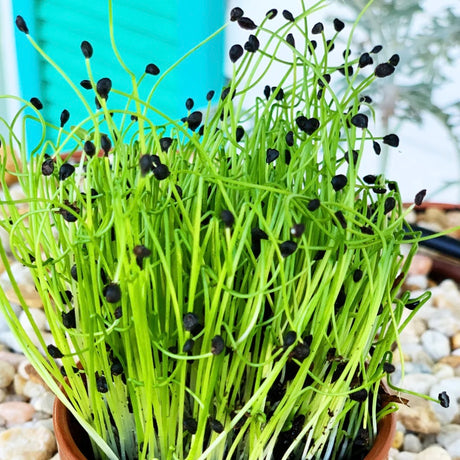
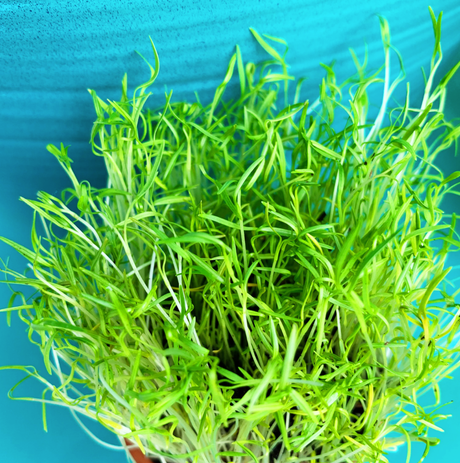
Sprouts/Microgreens - Chives, Garlic seeds
From $499 USDUnit price /UnavailableDescription
Garlic Chives will produce shoots that grow to a mature height of roughly 12 inches tall. Popularly used to flavor potatoes and salads, Chives are not only tasty, but are also attractive as well. Each plant displays white colored flowers atop slender stems / shoots. Flowering much later than traditional Chives, it’s Garlic twins will bloom within the heat of the summer months. The shoots, once cut will add a slight garlic & onion flavor to any dish that they are added to. The flowers also add a mild onion/garlic flavor and can be used as a garnish.
Very easy to grow.
Country of Origin: Italy
Ready to consume after just a couple of days.
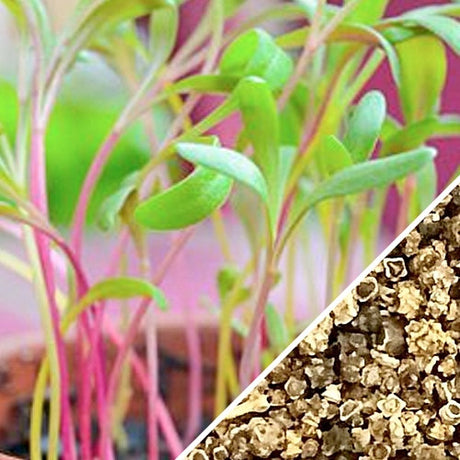
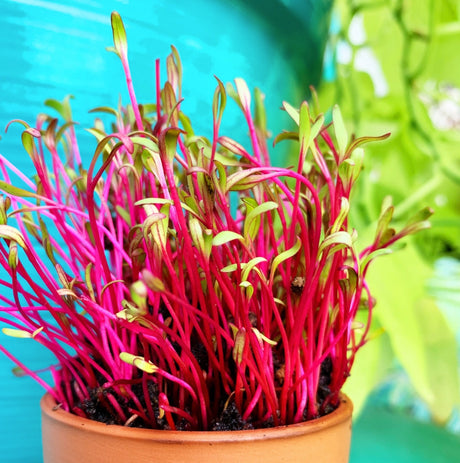
Sprouts/Microgreens - Beet, Dark Red seeds
From $499 USDUnit price /UnavailableDescription
These Dark Red Beets grow into gorgeous, tender sprouts with deep red shoots and delicate green leaves. An amazing earthy flavor rounds out this extremely rewarding micro-green.
Beets can be the more difficult sprout to grow… but well worth it! It's the prettiest sprout there is (flame red) and can make any plate look and taste even better.
Beets like warm air 75 - 78 degree temperature, humidity 80 - 86%, water temperature 70 degrees) and low light in the room for the first 3 days. The outer surface of a beet seed is like a sponge and can absorb a great amount of water. Please read these instructions carefully:
Proper way to sprout Beet seed:
- Put beet seed in a bucket/tub/container
- Let the seeds soak in warm (not boiling and not cold) water for approx. 8 hours. Stir well in about 4 hours.
- Put in colander and Rinse with lukewarm water until the water that comes off is no longer brown.
⚠️ This is important, as red beet has the above water soluble anti-sprouting components (slime) on its hulls. This is a protection: otherwise, in nature, red beet would sprout in an environment that is not humid enough. Clever seed, isn’t it? - Set aside in a warm room. Give NO WATER and it will sprout in approx. 24-48 hrs.
- Then, water as you would any of your other sprouts & micro-greens
Happy planting!
Sprouts/Microgreens - Cilantro/Coriander Splits seeds
From $499 USDUnit price /UnavailableDescription
We offer the highest quality cilantro micro green sprout seeds! These sprouts are a great ingredient to add to any dish for added flavor and nutrition. Sure to be your new favorite! Very easy to grow. Ready to consume after just a couple of days.
Sprouts/Microgreens - Chia, Black seeds
From $499 USDUnit price /UnavailableDescription
Black chia microgreens are a nutrient-packed addition to your meals, offering a fresh, mild flavor and a satisfying crunch. Easy to grow and quick to harvest, these tiny sprouts deliver essential antioxidants, vitamins, and minerals that support overall wellness. Perfect for salads, sandwiches, and smoothies, black chia microgreens elevate your dishes with vibrant green color and a boost of natural energy. Incorporate them into your diet to enjoy a simple way to enhance both taste and nutrition.
Certified Organic Black Chia seeds.
Very easy to grow.
Ready to consume after just a couple of days.
Sprouts/Microgreens - Carrots (Micro) seeds
From $499 USDUnit price /UnavailableDescription
Growing carrot microgreens and sprouts indoors is a rewarding way to enjoy fresh, nutritious greens year-round. Simply soak the seeds briefly, then spread them evenly on a clean, well-draining growing medium in a shallow tray. Keep the soil consistently moist and place the tray in a bright spot with indirect light or under a grow light for best results. Within just days, you’ll see vibrant sprouts ready to add a sweet, fresh flavor to your meals. Harvest microgreens in 10–14 days for a nutrient-packed boost that’s easy, convenient, and perfect for elevating your cooking at home.
Carrot microgreens require a fine, well-drained growing medium and consistent moisture to thrive. Sow seeds evenly on the surface and lightly cover them. Maintain temperatures between 60-75°F (15-24°C) and provide bright, indirect light once sprouts emerge to foster strong growth. Harvest when the first true leaves develop, cutting just above the soil line. These nutrient-rich microgreens offer a fresh, sweet carrot flavor, ideal for enhancing salads, sandwiches, and garnishes with a crisp, vibrant touch.
Carrot micro-greens are a new trend. And for good reason. They taste great and they are extremely nutritious.
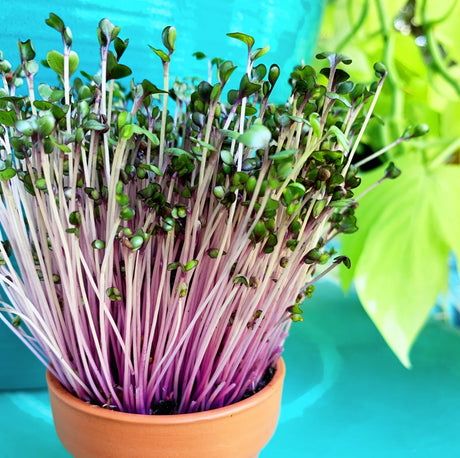
Sprouts/Microgreens - Cabbage, Red seeds
From $499 USDUnit price /UnavailableDescription
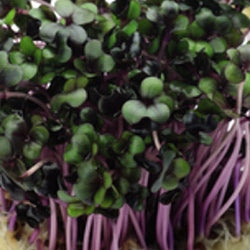
Red Acre cabbage microgreens deliver vibrant color and crisp flavor in just days. These nutrient-dense sprouts are remarkably simple to cultivate, making them perfect for home gardeners and culinary enthusiasts alike. With their peppery taste and tender texture, they elevate salads, sandwiches, and garnishes with both visual appeal and nutritional punch. Start harvesting in as little as two days for fresh, homegrown greens year-round.
Cabbage red acre microgreens are beautiful, aren't they? Well, they taste as good as they look! Very easy to grow. Ready to consume after just a couple of days.
Sprouts/Microgreens - Arugula seeds
From $499 USDUnit price /UnavailableDescription
Certified Organic. Arugula microgreens are the most popular. Chefs from all over the world utilize its crunchy tang in all kinds of salad dishes.
Very easy to grow.
Ready to consume after just a couple of days.
Sprouts/Microgreens - Radish, Daikon seeds
From $499 USDUnit price /UnavailableDescription
- Organic
- They're easy to grow - and - taste great.
- Country of Origin: Italy
-
Hints of pepper flavor.
-
Radish sprouts have gained popularity in recent years.
- Day to Maturity | 3-6 days
Follow SeedsNow.com's board Radish on Pinterest. - Organic
Sprouts/Microgreens - Radish, Rambo (Red) seeds
From $499 USDUnit price /UnavailableDescription
-
Organic
-
Spicy
-
Very beautiful red sprouts
- Popular amongst many culinary chefs
-
Tastes like fully grown radish. If you like the taste of radish you'll love Radish Sprouts!
Follow SeedsNow.com's board Radish on Pinterest. -
- From $499 USDUnit price /Unavailable
Description
Lemon Basil, also called Hoary Basil (for its fuzzy stems), is a hybrid cross between traditional basil and lime basil.The bright green leaves have a sweet lemony aroma and a tangy lemon-anise flavor that’s best used fresh in seafood dishes, fruit salads, lemonade, cocktails, and salad dressings. Add at the end of cooking to preserve the citrus flavor, then garnish with the edible flowers.
Harvest the leaves and stems from the top part of the plant, and pinch off edible flower buds as they appear, which prevents the leaves from turning bitter, and signals the plant to branch out and grow more leaves, making a bushier plant.
The more you harvest, the more it grows!
- Tangy lemon-anise flavor
- Culinary and medicinal
- Good for indoor gardens
- Good for containers
- Tons of medicinal benefits!
As a medicinal herb, Basil has been used internally to treat anxiety, colds, colic, cough, depression, diarrhea, fever, flatulence, flu, indigestion, insomnia, intestinal parasites and worms, exhaustion, gastric pain, gonorrhea, lactation problems, migraine headache, nausea, stomach cramps, sore throat, and vomiting, and externally to treat acne, insect bites and stings, loss of smell, skin problems, snake bites.
⚠️ Do not use medicinally while pregnant.
⚠️ Medicinal properties are presented as information only, and are not a recommendation or prescription for use. Consult a medical professional before using any herb medicinally.
As a companion plant, Basil attracts hummingbirds, pollinators, and beneficial insects, and repels asparagus beetles, cabbage moths, cabbage white butterfly, cabbage worms, carrot rust fly, flies, maggots, mice, mosquitoes, spider mites, thrips, and tomato hornworms.
Shop all Basil Seeds Shop Good Companion Plants for Basil 📚 Grow Guide: Basil Health Benefits of Lemon Basil
Basil is a known health tonic for expecting mothers and when mixed with tea it increases lactation in mothers. It is also a nerve tonic and young children are sometimes encouraged to chew on the leaves of basil because it stimulates brain cells and can increase memory.

See Basil Recipes & Growing Tips on our Pinterest Board
Shop all Basil Seeds Shop Good Companion Plants for Basil 📚 Grow Guide: Basil - From $499 USDUnit price /Unavailable
Description
Greek Basil is a small-leaf dwarf variety that grows into a tight dome, about 1’ tall and wide. A great one for containers, hanging baskets, and indoor gardens. The bright green, oval leaves and soft stems have hints of clove and anise, and keep their flavor when dried. Use this variety to flavor herb butters and vinaigrettes, and the edible flowers as a garnish or salad green.Harvest the leaves and stems from the top part of the plant, and pinch off edible flower buds as they appear, which prevents the leaves from turning bitter, and signals the plant to branch out and grow more leaves, making a bushier plant.
The more you harvest, the more it grows!
- Basil-clove-anise flavor
- Compact plant
- Good for indoor gardens
- Good for containers
- Tons of medicinal benefits!
As a medicinal herb, Basil has been used internally to treat anxiety, colds, colic, cough, depression, diarrhea, fever, flatulence, flu, indigestion, insomnia, intestinal parasites and worms, exhaustion, gastric pain, gonorrhea, lactation problems, migraine headache, nausea, stomach cramps, sore throat, and vomiting, and externally to treat acne, insect bites and stings, loss of smell, skin problems, snake bites.
⚠️ Do not use medicinally while pregnant.
⚠️ Medicinal properties are presented as information only, and are not a recommendation or prescription for use. Consult a medical professional before using any herb medicinally.
As a companion plant, it attracts hummingbirds, pollinators, and beneficial insects, and repels asparagus beetles, cabbage moths, cabbage white butterfly, cabbage worms, carrot rust fly, flies, maggots, mice, mosquitoes, spider mites, thrips, and tomato hornworms.
Shop all Basil Seeds Shop Good Companion Plants for Basil 📚 Grow Guide: Basil


See Basil Recipes & Growing Tips on our Pinterest Board
Shop all Basil Seeds Shop Good Companion Plants for Basil 📚 Grow Guide: Basil - From $499 USDUnit price /Unavailable
Description

Soapwort (Saponaria officinalis) is a beautiful, robust perennial in the carnation family with dark green lance-shaped leaves and light pink star-shaped flowers that have a pleasant floral clove scent. Can grow 1'-2' tall and 12"-18" wide, and prefers cooler weather. The entire plant contains saponins, with the highest concentration in the roots, which make a gentle foamy lather when mixed with warm water, and is used as detergent or soap to clean skin, hair, and delicate fabrics. Also called Bouncing Bet, a historical expression for a laundry woman. Reseeding and runner roots enable it to spread easily and it can become invasive.As a medicinal plant, Soapwort has been used internally to treat bronchitis, colds, cough, diarrhea, kidney stones, and respiratory problems, and externally to treat acne, boils, burns, eczema, inflammation, itchy skin, muscle pain, poison ivy, psoriasis, rash, and wounds.
⚠️ Toxic to people, pets, and livestock if ingested in large quantities. Toxic to fish, so do not grow near waterways. Do not ingest while pregnant or nursing.
⚠️ Medicinal properties are presented as information only, and are not a recommendation or prescription for use. Consult a medical professional before using any plant medicinally.
- Life cycle: Herbaceous perennial
- Bloom season: Summer
- Attracts: Hummingbirds, bees, butterflies, and other pollinators
- Flower meaning: Innocence, pure love
SEED PLANTING TIPS
- Botanical name: Saponaria officinalis
- Hardiness zones: 3-9
- Planting season: Spring, fall
- Days to maturity: 85 days-2 years
- Cold stratify: Yes
- Depth to plant seeds: Lightly cover - seeds need light to germinate
- Days to germinate (sprout): 7-28 days
- Germination soil temps: 60F-70F
- Spacing between plants: 12"-18" apart
- Soil types: Clay, sandy, loamy, silty, rocky, chalky, poor, average, moist, well-drained
- Soil pH: 6.6-7.8
- Water needs: Average
- Sun needs: Full sun, part shade
- Frost tolerant: Yes
- Drought tolerant: Yes
- Deer resistant: Yes
- From $499 USDUnit price /Unavailable
Description

- Tarragon, aka Dragon Wort, is a popular herb widely recognized for its strong aroma and many culinary uses.
- A native herb of Europe
- Used to compliment to many classic continental – mostly French – dishes
- Tarragon seeds should be planted in a warm and sunny spot
- Grows well in containers
- Tarragon is perfect for seasoning chicken, fish, and egg dishes
- Days to Maturity | 85 days
- Tarragon, aka Dragon Wort, is a popular herb widely recognized for its strong aroma and many culinary uses.
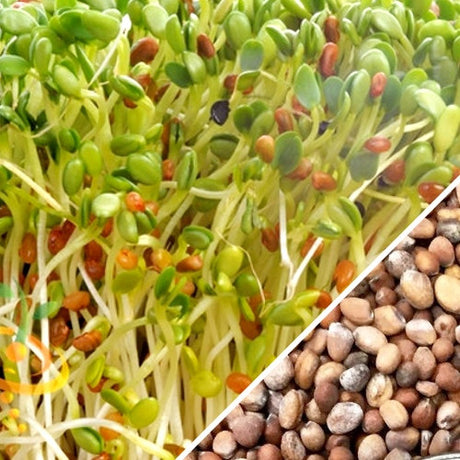
Sprouts/Microgreens - Clover, Red Crimson seeds
From $499 USDUnit price /UnavailableDescription
- Sweet mild flavor.
- Certified Organic.
- These sprouts are actually larger and more flavorful than alfalfa sprouts and make a great addition to sandwiches and salads.
- If you like Clover sprouts, make sure to check out Alfalfa sprouts.
Did you know? Clover contains high concentrations of isoflavones which are thought to have powerful anti-cancer properties. Clover flavor is a lot like alfalfa; mild and nutty. Sprouts last better if stored in the fridge.- Sweet mild flavor.
- From $499 USDUnit price /Unavailable
Description

- Sage is an aromatic perennial plant that is actually part of the mint family. The plant produces grayish-green leaves that are used in many popular food dishes, most notably in the preparation of sausages
- Natural mosquito repellent
- The leaves can also be used as a digestive and nerve tonic
- Excellent as a border plant around the garden
- Grows well in containers
- Easy to grow from seed and can be sowed directly in the garden
- Days to Maturity | 75 days
Follow SeedsNow.com's board Sage on Pinterest. - Sage is an aromatic perennial plant that is actually part of the mint family. The plant produces grayish-green leaves that are used in many popular food dishes, most notably in the preparation of sausages
Radicchio - Classic Red (Italian Chicory) seeds
From $499 USDUnit price /UnavailableDescription

- Radicchio is sometimes also referred to as the Italian chicory
- They're grown as a leaf vegetable
- White-veined red leaves
- Excellent grilled or roasted
- How to Grow Organic Radicchio from Seed
-
Days to Maturity | 65 days
- Radicchio is sometimes also referred to as the Italian chicory
- From $499 USDUnit price /Unavailable
Description

Spearmint (Mentha spicata) is a vigorous perennial herb prized for its mild, refreshing flavor and aromatic foliage. This cold-hardy plant thrives in full sun to partial shade and adapts to various soil conditions, though it prefers consistently moist, well-draining earth. Spearmint spreads readily via underground runners, making it ideal for container cultivation or designated garden beds. Harvest leaves throughout the growing season for fresh teas, culinary dishes, and natural pest deterrent properties. Extremely low-maintenance once established, spearmint requires minimal fertilization and tolerates both drought and wet conditions. Perfect for gardeners seeking a reliable, productive herb that returns year after year with minimal intervention.
- Spearmint ( Mentha spicata) is typically used in teas, jellies, deserts, and salads
- Extremely fragrant
- Sweet smelling
- Acts as a natural wasp repellant
- Perennial
- Can be used as a garnish on ice cream and drinks
- 85 days to maturity

Click here to see 7 Awesome Mint Drink Recipes HERE
Follow SeedsNow.com's board Mint on Pinterest.
- From $499 USDUnit price /Unavailable
Description

- Health Benefits | In skin care, Lemon Mint leaves can be rubbed directly on the skin to fight off mosquitoes. The dried leaves can also be infused in oil made into lotions for soothing the skin.

See 7 Awesome Mint Drink Recipes HERE
Follow SeedsNow.com's board Lemon Mint on Pinterest. Sprouts/Microgreens - Kale, Red Russian seeds
From $499 USDUnit price /UnavailableDescription

Kale Red Russian Micro-Greens
- Really easy to grow.
- Just let them grow until you see the first set of true leaves.
- Perfect for a micro-green salad.
- Makes a great addition to many culinary dishes.
- These sprouts have a mildly sweet flavor.
- Day to Maturity | 3-6 days
- Really easy to grow.
- From $499 USDUnit price /Unavailable
Description

-
Has an Oregano-like flavor. It can be used in many dishes including meats, stews, casseroles, poultry, sausages, and sauces
- Can be used dried or fresh. Great flavor and taste
- Marjoram is also known for its healing properties with rheumatoid pain, tension headaches and minor digestive problems
- It can be used in potpourri or added to sachets for linen and clothing cupboards
- Easy to grow in a small container
-
Days to Maturity | 90 days
-
Has an Oregano-like flavor. It can be used in many dishes including meats, stews, casseroles, poultry, sausages, and sauces
- From $499 USDUnit price /Unavailable
Description

- The lemon balm plant produces beautiful lemon scented leaves
- The leaves are typically used in teas, sauces, salads, soups, stews, and drinks
- Lemon Balm tea is said to stimulate the heart and calms the nerves
- A variety native of Europe
- Perennial
- Days to Maturity | 75 days
- The lemon balm plant produces beautiful lemon scented leaves
- From $499 USDUnit price /Unavailable
Description
Thai Basil has small sturdy leaves that hold up well to high-heat cooking, purple stems, and delicate, edible violet flower spikes that make the whole plant look like a lavender bush when allowed to fully bloom.The spicy clove-anise flavor brings an earthy essence to pesto, Thai curries, stir fries, citrus salads, and cocktails. Elegant in cut flower arrangements, too.
Harvest the leaves and stems from the top part of the plant, and pinch off edible flower buds as they appear, which prevents the leaves from turning bitter, and signals the plant to branch out and grow more leaves, making a bushier plant.
The more you harvest, the more it grows!
- Spicy clove-anise flavor
- Culinary, medicinal, and ornamental
- Good for indoor gardens
- Good for containers
- Tons of medicinal benefits!
As a medicinal herb, Basil has been used internally to treat anxiety, colds, colic, cough, depression, diarrhea, fever, flatulence, flu, indigestion, insomnia, intestinal parasites and worms, exhaustion, gastric pain, gonorrhea, lactation problems, migraine headache, nausea, stomach cramps, sore throat, and vomiting, and externally to treat acne, insect bites and stings, loss of smell, skin problems, snake bites.
⚠️ Do not use medicinally while pregnant.
⚠️ Medicinal properties are presented as information only, and are not a recommendation or prescription for use. Consult a medical professional before using any herb medicinally.
As a companion plant, it attracts hummingbirds, pollinators, and beneficial insects, and repels asparagus beetles, cabbage moths, cabbage white butterfly, cabbage worms, carrot rust fly, flies, maggots, mice, mosquitoes, spider mites, thrips, and tomato hornworms.Shop all Basil Seeds Shop Good Companion Plants for Basil 📚 Grow Guide: Basil 
Thai Basil is very fragrant and one of the most available varieties of basil. It has beautiful purple stems with bright green leaves. It is used widely in soups and curries, and other traditional Thai dishes.

What is Thai Basil?Thai Basil exhibits narrow leaves, with gorgeous purple stems. Sometimes mauve or pink-ish flowers. It needs warm air and sun to do well. This is a wonderful basil to grow if you are a Thai food enthusiast! It is also known as the "holy herb" in many traditions all around the world.

Health Benefits of Thai Basil
Thai Basil is a wonderful blood coagulant, and plays a role in strengthening bones. It contains a ton of iron, vitamin A, and plenty of essential oils.

Ways to Consume Thai BasilUse Thai Basil as a condiment, or a enjoy it as an accompaniment to Pho'. It is slightly anise-flavored so it goes extremely well in soups and curries.

See Basil Recipes & Growing Tips on our Pinterest Board
Shop all Basil Seeds Shop Good Companion Plants for Basil 📚 Grow Guide: Basil - From $499 USDUnit price /Unavailable
Description
Red Velvet Leaf Basil is a delight for all of your senses. When you see the firm, smooth, deep burgundy leaves, you must touch them, which releases a divine anise fragrance that you have to nibble, and then you hear your own sigh of gratitude that this enchanting herb is growing in your garden, producing all summer long.Harvest the leaves and stems from the top part of the plant, and pinch off edible flower buds as they appear, which prevents the leaves from turning bitter, and signals the plant to branch out and grow more leaves, making a bushier plant.
The more you harvest, the more it grows!
- Rich basil flavor
- Culinary, medicinal, and ornamental
- Good for indoor gardens
- Good for containers
- Tons of medicinal benefits!
As a medicinal herb, Basil has been used internally to treat anxiety, colds, colic, cough, depression, diarrhea, fever, flatulence, flu, indigestion, insomnia, intestinal parasites and worms, exhaustion, gastric pain, gonorrhea, lactation problems, migraine headache, nausea, stomach cramps, sore throat, and vomiting, and externally to treat acne, insect bites and stings, loss of smell, skin problems, snake bites.
Works as well with garlic and tomato as it does with honey and fruit, and makes a rich herbal tea. Dress up a Lollo Rossa Lettuce salad with the edible amethyst flowers.
YIELD Do not use medicinally while pregnant.
YIELD Medicinal properties are presented as information only, and are not a recommendation or prescription for use. Consult a medical professional before using any herb medicinally.
As a companion plant, it attracts hummingbirds, pollinators, and beneficial insects, and repels asparagus beetles, cabbage moths, cabbage white butterfly, cabbage worms, carrot rust fly, flies, maggots, mice, mosquitoes, spider mites, thrips, and tomato hornworms.
Shop all Basil Seeds Shop Good Companion Plants for Basil 📚 Grow Guide: Basil
This Red Velvet Leaf Basil plant produces high yields of deed red-colored leaves that are very aromatic. It will produce continuously all season long, and grows perfect in containers.

What is Red Velvet Leaf Basil?
This variety of basil boasts unusual reddish-purple leaves and has a stronger flavor than most other types. It is appealing in salads, and used often as a garnish. It's been known to repel mosquitoes too! You can raise this type of basil indoors in a sunny window or outdoors in areas with warm summers.
Health Benefits of Red Velvet Leaf Basil
Red Velvet Leaf Basil is packed with phyto-nutrients and health benefits. Rub crushed leaves on your skin to repel mosquitoes. It is a potent anti-oxidant with anti-inflammatory properties as well. This basil is an excellent source of iron and has been known to clear the mind and uplift the spirit.
Ways to Consume Red Velvet Leaf BasilTry Red Velvet Leaf Basil in your favorite salads, fruit jams, sauces, tea or paired with fresh fruit. Garlic flavors pair beautifully with this basil also.
See Basil Recipes & Growing Tips on our Pinterest Board
Shop all Basil Seeds Shop Good Companion Plants for Basil 📚 Grow Guide: Basil - From $499 USDUnit price /Unavailable
Description
Lime Basil is as fresh and uplifting as it sounds. The bright green leaves are infused with a zesty lime fragrance and tangy flavor that’s best used fresh in coconut-heavy Asian dishes, seafood dishes, fruit salads, limeade, cocktails, and salad dressings. Add at the end of cooking to preserve the citrus flavor, then garnish with the edible flowers.
Harvest the leaves and stems from the top part of the plant, and pinch off edible flower buds as they appear, which prevents the leaves from turning bitter, and signals the plant to branch out and grow more leaves, making a bushier plant.
The more you harvest, the more it grows!
- Fresh, zesty lime-anise flavor
- Culinary and medicinal
- Good for indoor gardens
- Good for containers
- Tons of medicinal benefits!
As a medicinal herb, Basil has been used internally to treat anxiety, colds, colic, cough, depression, diarrhea, fever, flatulence, flu, indigestion, insomnia, intestinal parasites and worms, exhaustion, gastric pain, gonorrhea, lactation problems, migraine headache, nausea, stomach cramps, sore throat, and vomiting, and externally to treat acne, insect bites and stings, loss of smell, skin problems, snake bites.
⚠️ Do not use medicinally while pregnant.
⚠️ Medicinal properties are presented as information only, and are not a recommendation or prescription for use. Consult a medical professional before using any herb medicinally.
As a companion plant, it attracts hummingbirds, pollinators, and beneficial insects, and repels asparagus beetles, cabbage moths, cabbage white butterfly, cabbage worms, carrot rust fly, flies, maggots, mice, mosquitoes, spider mites, thrips, and tomato hornworms.
Shop all Basil Seeds Shop Good Companion Plants for Basil 📚 Grow Guide: Basil 
The Lime Basil plant is very easy to grow and smells extremely fragrant! It has an amazing lemon scent, perfect for homemade lemonade! Use this in all your favorite culinary creations! It grows to the perfect size for planting in containers, and the aroma of just passing by this herb, will take your senses on an enjoyable ride.

What is Lime Basil?
Lime Basil offers a crisp citrus flavor, with a zesty undertones. It grows as an annual herb with white or lavender flowers. It has many medicinal purposes which makes it an "all around great herb" to grow in your own gardens.
Health Benefits of Lime Basil
From treating some cancers, symptoms of stress, asthma and diabetes, Lime Basil is recognized widely as a medicinal herb.
Ways to Consume Lime BasilUsed commonly in fresh cooked recipes, always add it at the last moment so that the cooking doesn't destroy the citrus flavor. It is a favorite ingredient in pesto, and used to thicken soups. Try it with fried chicken, or steeping it in milk to create lovely ice creams or chocolates. Don't toss the flower buds, they are full of flavor and are edible as well.
See Basil Recipes & Growing Tips on our Pinterest Board
Shop all Basil Seeds Shop Good Companion Plants for Basil 📚 Grow Guide: Basil - From $499 USDUnit price /Unavailable
Description
Licorice Basil is a type of Thai basil with a pleasant, sweet licorice flavor. Beautiful as a fragrant and ornamental accent throughout the garden, and delicious in salads, baked goods, and pasta sauce. It’s also pleasant to look at with deep green leaves that sometimes show a burgundy tinge, plum-colored stems, and lavender flower spikes that make a fun garnish for any salad, dish, or drink.Harvest the leaves and stems from the top part of the plant, and pinch off edible flower buds as they appear, which prevents the leaves from turning bitter, and signals the plant to branch out and grow more leaves, making a bushier plant.
The more you harvest, the more it grows!
- Sweet, pleasant licorice flavor
- Thai basil type
- Edible ornamental
- Good for containers
- Tons of medicinal benefits!
As a medicinal herb, Basil has been used internally to treat anxiety, colds, colic, cough, depression, diarrhea, fever, flatulence, flu, indigestion, insomnia, intestinal parasites and worms, exhaustion, gastric pain, gonorrhea, lactation problems, migraine headache, nausea, stomach cramps, sore throat, and vomiting, and externally to treat acne, insect bites and stings, loss of smell, skin problems, snake bites.
⚠️ Do not use medicinally while pregnant.
⚠️ Medicinal properties are presented as information only, and are not a recommendation or prescription for use. Consult a medical professional before using any herb medicinally.
As a companion plant, it attracts hummingbirds, pollinators, and beneficial insects, and repels asparagus beetles, cabbage moths, cabbage white butterfly, cabbage worms, carrot rust fly, flies, maggots, mice, mosquitoes, spider mites, thrips, and tomato hornworms.
Shop all Basil Seeds Shop Good Companion Plants for Basil 📚 Grow Guide: Basil 
This basil variety produces lovely and flavorful green leaves with purple accents. It has a strong, but enjoyable licorice flavor and can grow up to 24" tall.


What is Licorice Basil?
This basil is a type of Thai Basil, also known as anise basil. It has strong licorice and anise flavors, qualities and aromatics. It's known to be slightly "lanky" with pointed green leaves with signature purple flowers. Both the leaves and flowers are edible on this plant.

Health Benefits of Licorice Basil
Licorice Basil can be used for treating the common cold, the flu, diabetes, asthma, bronchitis, earaches, headaches, upset stomachs, heart disease, fever, and more. It promotes longevity but something you may not know is that its an excellent mosquito repellent!

Ways to Consume Licorice BasilWhen Licorice Basil leaves are crushed, they burst with intense basil and licorice aromas. Fragrant and floral, the spicy paste is a condiment for multiple dishes. This basil is best when mixed with other ingredients to tame it's powerful one-dimensional notes.

See Basil Recipes & Growing Tips on our Pinterest Board
Shop all Basil Seeds Shop Good Companion Plants for Basil 📚 Grow Guide: Basil Basil, Italian Large Leaf seeds
From $499 USDUnit price /UnavailableDescription
Italian Large Leaf Basil has soft, crinkled, bright green 2"-4" leaves, and a sweeter flavor than the Genovese Basil.Aromatic and delicious, use it to flavor herbal tea, herb butter, oil, vinegar, pasta and pizza sauce, antipasto, smoothies, curries, cocktails, Caprese salad, dressing, and pesto. The edible flower spikes make a beautiful garnish. Reliable producer and all-around great Italian basil.
Harvest the leaves and stems from the top part of the plant, and pinch off edible flower buds as they appear, which prevents the leaves from turning bitter, and signals the plant to branch out and grow more leaves, making a bushier plant.
The more you harvest, the more it grows!
- Sweet and spicy with less clove
- Genovese type
- Grows 1'-2' tall
- Good for containers
- Tons of medicinal benefits!
As a medicinal herb, Basil has been used internally to treat anxiety, colds, colic, cough, depression, diarrhea, fever, flatulence, flu, indigestion, insomnia, intestinal parasites and worms, exhaustion, gastric pain, gonorrhea, lactation problems, migraine headache, nausea, stomach cramps, sore throat, and vomiting, and externally to treat acne, insect bites and stings, loss of smell, skin problems, snake bites.
YIELD Do not use medicinally while pregnant.
YIELD Medicinal properties are presented as information only, and are not a recommendation or prescription for use. Consult a medical professional before using any herb medicinally.
As a companion plant, Basil attracts hummingbirds, pollinators, and beneficial insects, and repels asparagus beetles, cabbage moths, cabbage white butterfly, cabbage worms, carrot rust fly, flies, maggots, mice, mosquitoes, spider mites, thrips, and tomato hornworms.
Shop all Basil Seeds Shop Good Companion Plants for Basil 📚 Grow Guide: Basil
The Italian Large Leaf Basil plant will produce medium to large leaves that can measure up to 4" long! It is of heirloom variety and is extremely fragrant and used widely in the culinary industry. If you're a lover of basil, this would be a good variety to plant in your garden.

What is Italian Large Leaf Basil?
Italian Large Leaf Basil is an annual plant that will produce edible and fragrant leaves, flowers, and continue to put off a few more leaves through the process of ending it's life cycle. This basil grows well in "filtered light" (meaning near a bright window or under a tree), and it grows best in 50-90 degree weather. Warm, but not too warm.

Health Benefits of Italian Large Leaf BasilItalian Large Leaf Basil has anti-bacterial properties and anti-inflammatory effects. It's been known to help people with inflammatory health problems like arthritis or IBS. Basil also contains properties that mimic food preservatives so it makes good sense to try and include more basil into the foods you prepare at home. Basil will help naturally preserve them so they'll be safer, longer. Basil also contains all the good stuff needed for better cardiovascular health.

Ways to Consume Large Leaf Italian Basil
Use this variety of basil in your favorite Neapolitan cuisine dishes! Use the extra large leaves, fresh or dried, in tomato dishes, pasta sauces, vegetable dishes and soups.


See Basil Recipes & Growing Tips on our Pinterest Board
Shop all Basil Seeds Shop Good Companion Plants for Basil 📚 Grow Guide: Basil - From $499 USDUnit price /Unavailable
Description
Enjoy some of our most popular varieties of Basil Herbs. This is a special blend of basil varieties we carry, sure to be a show stopper! You'll enjoy a wide variety of Basil plants with incredible fragrance and great flavors! Very easy to grow and extremely popular.
Best Seller!
See Basil Recipes & Growing Tips on our Pinterest Board:
Follow SeedsNow.com's board Basil on Pinterest.
Shop all Basil Seeds Shop Good Companion Plants for Basil 📚 Grow Guide: Basil Basil, Genovese (Sweet Basil) seeds
From $499 USDUnit price /UnavailableDescription
Genovese Basil, also called Sweet Basil, has large, tender, fragrant leaves and sweet, spicy anise flavor. The best basil for pesto. The flower spikes dotted with tiny white edible flowers make a delicate garnish or salad addition. This heat-loving herb is a reliable producer and all-around great Italian basil.
Genovese Basil is a classic! It's prized for being sweet with undertones of a spicy flavor. You can't beat its aroma. These plants grow anywhere from 18"-24" inches and is the variety of choice for making pesto and adding to pizzas.Use it in pesto, pasta and pizza sauce, Caprese salad, antipasto, curries, cocktails, smoothies, dressing, herb butter, oil, vinegar, and herbal tea.
Harvest the leaves and stems from the top part of the plant, and pinch off edible flower buds as they appear, which prevents the leaves from turning bitter, and signals the plant to branch out and grow more leaves, making a bushier plant.
The more you harvest, the more it grows!
- Sweet and spicy
- Grows 2'-3' tall
- Besto for pesto
- Good for containers
- Tons of medicinal benefits!
As a medicinal herb, Basil has been used internally to treat anxiety, colds, colic, cough, depression, diarrhea, fever, flatulence, flu, indigestion, insomnia, intestinal parasites and worms, exhaustion, gastric pain, gonorrhea, lactation problems, migraine headache, nausea, stomach cramps, sore throat, and vomiting, and externally to treat acne, insect bites and stings, loss of smell, skin problems, snake bites.
⚠️ Do not use medicinally while pregnant.
⚠️ Medicinal properties are presented as information only, and are not a recommendation or prescription for use. Consult a medical professional before using any herb medicinally.
As a companion plant, it attracts hummingbirds, pollinators, and beneficial insects, and repels asparagus beetles, cabbage moths, cabbage white fly, cabbage worms, carrot rust fly, flies, maggots, mice, mosquitoes, spider mites, thrips, and tomato hornworms.
Shop all Basil Seeds Shop Good Companion Plants for Basil 📚 Grow Guide: Basil 
What is Genovese Basil?
The most commonly used basil variety for making pesto, you can harvest these leaves as soon as they are large enough to consume. Genovese basil is also known as "Sweet Basil" and a common ingredient to all Italian dishes. The leaves are spoon shaped, glossy and a dark green shade. It grows best in organic-rich and well drained soil and is an easy to grow annual herb that thrives in areas that remain above 50 degrees Fahrenheit.

Health Benefits of Genovese BasilGenovese basil is a known health tonic for expecting mothers and when mixed with tea it increases lactation in mothers. It is also a nerve tonic and young children are sometimes encouraged to chew on the leaves of basil because it stimulates brain cells and can increase memory.

Ways to Consume Genovese BasilThe most popular use is in italian dishes and sauces, especially in genovese sauce and pesto. Genovese Basil goes great in caprese salads and on raw tomatoes for a light, healthy "summery" treat. Mix basil leaves with olive oil and freeze in ice-cube trays for flavored oils when cooking.

See Basil Recipes & Growing Tips on our Pinterest Board
Shop all Basil Seeds Shop Good Companion Plants for Basil 📚 Grow Guide: Basil - From $499 USDUnit price /Unavailable
Description
Dark Opal Purple Basil is a dark, fragrant beauty with its glossy, deep black-purple leaves that shimmer with iridescence in bright light, plum-colored stems, and edible violet flower spikes that make a spectacular garnish. A 1962 All-America Selections Winner! This annual basil plant produces extremely fragrant dark purple leaves. It can be used as a garnish or to make flavored vinegars. This basil drys excellently and is very easy to grow. Gardening in a small space or wanting to use a container? This variety grows great in them!Use it to add sweet, intense anise flavor and a dreamy purple color to pesto or bruschetta, or mix it into a moody Caprese salad with Black Krim Tomatoes.
Harvest the leaves and stems from the top part of the plant, and pinch off edible flower buds as they appear, which prevents the leaves from turning bitter, and signals the plant to branch out and grow more leaves, making a bushier plant.
The more you harvest, the more it grows!
- Sweet, intense anise flavor
- Slow to bolt (flower)
- 1962 All-America Selections (AAS) Winner
- Good for containers
- Tons of medicinal benefits!
As a medicinal herb, Basil has been used internally to treat anxiety, colds, colic, cough, depression, diarrhea, fever, flatulence, flu, indigestion, insomnia, intestinal parasites and worms, exhaustion, gastric pain, gonorrhea, lactation problems, migraine headache, nausea, stomach cramps, sore throat, and vomiting, and externally to treat acne, insect bites and stings, loss of smell, skin problems, snake bites.
⚠️ Do not use medicinally while pregnant.
⚠️ Medicinal properties are presented as information only, and are not a recommendation or prescription for use. Consult a medical professional before using any herb medicinally.
Plant Basil in your garden to attract hummingbirds, pollinators, and other beneficial insects.
Basil is also know to repel aphids, asparagus beetles, cabbage moths, cabbage white butterfly, cabbage worms, carrot rust fly, flies, maggots, mice, mosquitoes, spider mites, thrips, and tomato hornworms!

What is Dark Opal Purple Basil?
This sweet and very popular variety of basil has gorgeous purple-black glossy foliage and a delicious aroma. It's eye catching and a beautiful, colorful garden plant. This basil produces small to medium sized, tender leaves. It is slow to bolt and grows at a steady pace. The dark purple has a green metallic undertone or sheen and in bright light it can appear flat and open.
Health Benefits of Dark Opal Purple BasilDark Opal Purple Basil has a variety of medicinal benefits and has been known to improve digestive functions, treat acne and insect bites, improve nausea, and work as a sedative for muscle spasms and cramps.

Ways to Consume Dark Opal Purple BasilLike many basil varieties, Dark Opal Purple Basil has a degree of licorice flavor, and it is used in the culinary world as an attractive garnish with good flavor. Use this herb fresh or dried and even frozen. It works wonderfully in salads and on sandwiches. The uses for this herb are endless and everyone should take advantage of this fresh and spicy leaf.

See Basil Recipes & Growing Tips on our Pinterest Board
Shop all Basil Seeds Shop Good Companion Plants for Basil 📚 Grow Guide: Basil Basil, Cinnamon (Mexican Basil) seeds
From $499 USDUnit price /UnavailableDescription
Cinnamon Basil, also called Mexican Basil, has glossy, deep green leaves that turn reddish at the tips when mature, and dark cinnamon-colored stems. Its warm, sweet cinnamon-anise flavor is especially nice in ham and pork dishes, apple pie and other desserts, and kombucha.
By far the most popular variety and possibly one of the most fragrant, this basil grows easily. Its aroma will remind you of sweet cinnamon and it is popular for use in hot drinks and paired with fresh fruit.
This sweet basil is exotic and has dark green leaves with purplish-red stems and purple blooms. It's spicy and has a cinnamon-like taste and scent. If you like making homemade potpourris or dried flower arrangements try adding some cinnamon basil!The violet flower spikes make an unusual garnish or addition to salads. Harvest the leaves and stems from the top part of the plant, and pinch off edible flower buds as they appear, which prevents the leaves from turning bitter, and signals the plant to branch out and grow more leaves, making a bushier plant.
The more you harvest, the more it grows!
- Cinnamon-anise flavor
- Tons of medicinal benefits!
- Good for indoor gardens
- Good for containers
As a medicinal herb, Basil has been used internally to treat anxiety, colds, colic, cough, depression, diarrhea, fever, flatulence, flu, indigestion, insomnia, intestinal parasites and worms, exhaustion, gastric pain, gonorrhea, lactation problems, migraine headache, nausea, stomach cramps, sore throat, and vomiting, and externally to treat acne, insect bites and stings, loss of smell, skin problems, snake bites.
⚠️ Do not use medicinally while pregnant.
⚠️ Medicinal properties are presented as information only, and are not a recommendation or prescription for use. Consult a medical professional before using any herb medicinally.
Plant Basil in your garden to attract hummingbirds, pollinators, and other beneficial insects.
Basil is also know to repel aphids, asparagus beetles, cabbage moths, cabbage white butterfly, cabbage worms, carrot rust fly, flies, maggots, mice, mosquitoes, spider mites, thrips, and tomato hornworms!
Shop all Basil Seeds Shop Good Companion Plants for Basil 📚 Grow Guide: Basil Health Benefits of Cinnamon Basil
Cinnamon basil is a must have, medicinal herb. It offers anti-inflammatory benefits and can relieve symptoms of arthritis! If you suffer from allergies, diabetes, colds, the flu, or infertility, some would swear by the benefits of consuming cinnamon basil and how it's improved their health. It is even used in the treatment of some cancers. It naturally boosts your immune system and is a known anti-bacterial and anti-viral. Are you growing this yet?...because you should be!

Ways to Consume Cinnamon BasilUse this exotic and fragrant basil in any recipe that calls for basil. The sweet flavor is great when paired with other fruity herbs. Pick the leaves when small and tender and use them in your favorite recipes or put them in bottles of olive oil to make cinnamon flavored oil. Cinnamon basil pairs harmoniously with apple pie filling, apple sauce, pork or ham dishes. Add frozen basil leaves to soups or sauces. Cinnamon basil can also be used to make refreshing teas, hot or cold!


See Basil Recipes & Growing Tips on our Pinterest Board
Shop all Basil Seeds Shop Good Companion Plants for Basil 📚 Grow Guide: Basil Shiso, Red (Perilla Leaf, Japanese Basil) seeds
From $399 USDUnit price /UnavailableDescription
Red Shiso (Perilla frutescens), also called Perilla Leaf and Japanese Basil, is an herb in the mint family with large, deep purple, wrinkled, serrated leaves. Much stronger and spicier than Green Shiso, the crunchy leaves are used mainly in salads, for pickling, and as a natural food coloring. Used extensively in Japanese cuisine, it has a fresh minty-basil flavor with notes of clove and cumin, and a bitter, astringent finish. Pairs well with fish, rice, noodles, and vegetables, especially cucumbers. Also a medicinal herb with antioxidant, anti-bacterial, anti-inflammatory, and antiseptic properties. Its rhizome root can become invasive, so best grown in a container.
- Mint-basil-clove-cumin flavor
- Full sun
- Days to germinate (sprout): 7-21 days
- Days to maturity: 80-85 days
Good companion plants: Arugula, Basil, Bok Choy, Parsley, Tomato
Sprouts/Microgreens - Mustard, Tatsoi seeds
From $399 USDUnit price /UnavailableDescription
Mustard, Sprouts & Micro-Greens
- Mustard is a member of the crucifer family.
- Mustard greens are a popular dish in the Southern U.S. and are an excellent source of vitamins A and C.
- Mustard sprouts have a strong spicy flavor and are usually blended with alfalfa or clover sprouts.
Follow SeedsNow.com's board Mustard on Pinterest. - Mustard is a member of the crucifer family.
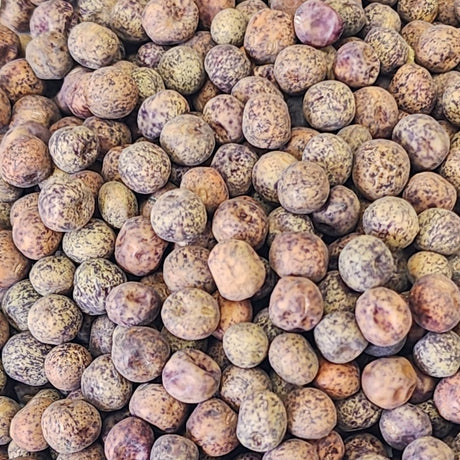
Sprouts/Microgreens - Pea, Brown Speckled seeds
From $399 USDUnit price /UnavailableDescription
- Organic
- Ready to eat as a sprout just a soon as they pop.
- Sweet and delicious in salads and casseroles.
- Day to Maturity | 3-7 days
Follow SeedsNow.com's board Green Pea Sprouts on Pinterest. Chervil (French Parsley) seeds
From $399 USDUnit price /UnavailableDescription
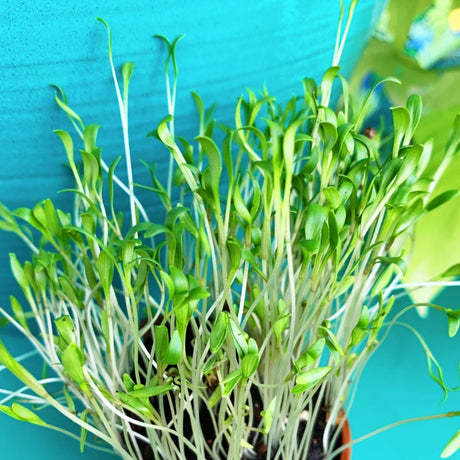
Chervil, also called French Parsley and Garden Chervil, is an ancient aromatic annual in the parsley family, with similar fern-like leaves, tiny white flowers, and a sweet flavor that’s a delicate mix of parsley, anise, and pepper. Leaves, stems, seeds, and flowers are all edible. It prefers growing in part shade in moist soil with cool temps, so it’s good for indoor gardens or fall/winter gardens in mild climates. An important ingredient in fines herbes, along with chives, parsley, and tarragon, used extensively in French gourmet cooking. Loses its flavor when dried, so chop or chiffonade to add a freshness to salads, dressings, herb butter, sauces, seafood, peas, poultry, green beans, carrots, eggs, and herbal tea.
As a companion plant, it attracts pollinators and beneficial insects, and repels ants, aphids, slugs, and snails.
As a medicinal herb, Chervil has been used internally to treat arthritis, bronchitis, congestion, cough, gum disease, hiccups, low blood pressure, menstrual cramps, skin problems, and swelling, and externally to treat painful joints, tired eyes, and wounds.
YIELD Medicinal properties are presented as information only, and are not a recommendation or prescription for use. Consult a medical professional before using any herb medicinally.
- Parsley-anise-pepper flavor
- All parts are edible
- Good for indoor gardens
- Good for containers
SEED PLANTING TIPS
- Botanical name: Anthriscus cerefolium
- Life cycle: Herbaceous annual
- Hardiness zones: 3-10
- Planting season: Spring, fall
- Days to maturity: 40-60 days; can begin harvesting when 6" tall
- Depth to plant seeds: 1/4" deep
- Days to germinate (sprout): 14-28 days
- Germination soil temps: 55F-65F
- Spacing between plants: 9"-12" apart
- Spacing between rows: 18"-24" apart
- # of plants per sq. ft.: Appx. 1 plant per sq. ft.
- Soil types: Sandy, loamy, rich, moist, well-drained
- Soil pH: 6.0-7.5
- Sun needs: Full sun, part shade, full shade
- Water needs: Average
- Cold stratify: No
- Frost tolerant: Yes
- Heat tolerant: No
- Drought tolerant: No
- Deer resistant: Yes
- Culinary use: Yes
- Medicinal use: Yes
Good companion plants: Broccoli, Carrot, Cilantro/Coriander, Dill, Lettuce, Mint, Radish, Yarrow
More facts about Chervil:
- Pregnant women were bathed in an infusion of it; a lotion of it was used as a skin cleanser; and it was used medicinally as a blood purifier.
- It was also claimed to be useful as a digestive aid, for lowering high blood pressure, and, infused with vinegar, for curing hiccups
See Chervil Recipes & Growing Tips on our Pinterest Board
Follow SeedsNow.com's board Chervil on Pinterest. - From $399 USDUnit price /Unavailable
Description
Catnip is not the most beautiful plant you can grow, but it’s quite useful. The small spikes of white speckled flowers attract pollinators and beneficial insects to the vegetable garden. And the same compound that sends cats flying to the moon also sends mosquitoes flying away. Also repels ants, aphids, cabbage moths, cabbage white butterfly, cabbage worms, potato beetles, cucumber beetles, flea beetles, Japanese beetles, mice, roaches, slugs, squash bugs, voles, and weevils, which makes it a great companion for just about everyone (except Parsley). Reseeds easily and can become invasive. Use the minty leaves to flavor tea, pasta, vegetables, soups, and sauces.
- Mosquito repellent
- Can be invasive
- Grows 2'-3' tall
- Good for containers
As a medicinal herb, Catnip has been used internally to treat anxiety, colds, cough, fever, insomnia, nervousness, restlessness, sore throat, and upset stomach, and externally to treat black eyes and other bruises.⚠️ Medicinal properties are presented as information only, and are not a recommendation or prescription for use. Consult a medical professional before using any herb medicinally.
SEED PLANTING TIPS
- Botanical name: Nepeta cataria
- Life cycle: Herbaceous perennial
- Hardiness zones: 3-9
- Planting season: Spring, fall
- Days to maturity: 75-85 days; can begin harvesting when 6" tall
- Depth to plant seeds: 1/4" deep
- Days to germinate (sprout): 7-14 days
- Germination soil temps: 60F-70F
- Spacing between plants: 18"-24" apart
- Spacing between rows: 24"-36" apart
- # of plants per sq. ft.: Appx. 1 plant per 2 sq. ft.
- Soil types: Sandy, loamy, silty, rocky, poor, rich, dry, moist, well-drained
- Soil pH: 6.0-7.8
- Sun needs: Full sun, part shade
- Water needs: Low
- Cold stratify: Yes
- Frost tolerant: Yes
- Heat tolerant: No
- Drought tolerant: Yes
- Deer resistant: Yes
- Cat resistant: No
- Culinary use: Yes
- Medicinal use: Yes
Good companion plants: Bean, Beet, Broccoli, Brussels Sprouts, Cabbage, Carrot, Cauliflower, Collards, Cucumber, Eggplant, Fava Bean, Hyssop, Kale, Kohlrabi, Lavender, Lettuce, Mustard, Potato, Pumpkin, Radish, Rutabaga, Soybean, Strawberry, Squash, Tomato, Turnip, Zucchini
More facts about Catnip:
- Nepeta cataria. Perennial.
- Classic aromatic scent that is proven to attract cats. They absolutely love to roll around in it.
- Plant produces flavorful leaves that can be used in many culinary dishes and teas.
- Said to have medicinal properties to relieve cold and flu symptoms.
- Catnip is also a VERY effective mosquito repellent.
- According to ScienceDaily.com, nepetalactone, the essential oil in catnip that gives the plant its characteristic odor, is about ten times more effective at repelling mosquitoes than DEET — the compound used in most commercial insect repellents.
-
Simply grow catnip near the backyard or patio of your house.
- From $399 USDUnit price /Unavailable
Description

Caraway is an ancient aromatic herb, famous for being the spice in rye bread and German sauerkraut. A biennial in the carrot family that grows 1'-3' tall, with feathery foliage and tiny white flowers. The seeds, which have an earthy-citrusy-peppery flavor, are the most used, but the flowers, leaves, stems, and root (which looks like a small parsnip, and can be used like any other root vegetable) are also edible. While you’re waiting for the flowers, seeds, and roots to develop in the second year, spend the first year using the leaves, which have a parsley-dill flavor, in salads, soups, and sautés.
- Parsley-dill flavor
- All parts are edible
- Culinary and medicinal uses
- Good for containers
As a companion plant, it attracts pollinators and beneficial insects, and repels aphids, cabbage moths, cabbage white butterfly, cabbage worms, carrot root fly, and caterpillars.As a medicinal herb, Caraway has been used internally to treat asthma, bad breath, bloating, colds, colic, cough, flatulence, heartburn, indigestion, insomnia, lack of appetite, nausea, sore throat, and stomach cramps, and externally to treat arthritis, bruises, burns, skin irritation, toothache, and wounds.
⚠️ Medicinal properties are presented as information only, and are not a recommendation or prescription for use. Consult a medical professional before using any herb medicinally.
SEED PLANTING TIPS
- Botanical name: Carum carvi
- Life cycle: Herbaceous biennial
- Hardiness zones: 4-9
- Planting season: Spring, fall
- Days to maturity: 70 days-2 years; can begin harvesting when 6" tall
- Depth to plant seeds: 1/4" deep
- Days to germinate (sprout): 7-14 days
- Germination soil temps: 65F-75F
- Spacing between plants: 8"-12" apart
- Spacing between rows: 18"-24" apart
- # of plants per sq. ft.: Appx. 2 plants per sq. ft.
- Soil types: Sandy, loamy, chalky, poor, rich, moist, well-drained
- Soil pH: 6.0-7.5
- Sun needs: Full sun, part shade
- Water needs: Average
- Cold stratify: No
- Frost tolerant: Yes
- Heat tolerant: No
- Drought tolerant: Yes
- Deer resistant: Yes
- Culinary use: Yes
- Medicinal use: Yes
Good Companion Plants: Bean, Beet, Blueberry, Broccoli, Brussels Sprouts, Cabbage, Carrot, Cauliflower, Chard, Collards, Fava Bean, Kale, Mustard, Onion, Pea, Radish, Soybean, Strawberry, Tomato


What is Caraway?Caraway is a biennial. This means it takes two years for the plant to mature, produce seeds, then die. During the winter you may not see any evidence of the plant even though the roots are preparing for spring. So mark your spot carefully so you don’t accidentally dig them up in the spring.
An interesting legend that goes along with Caraway is that it had the power to prevent the theft of objects that had seeds nearby and it also kept lovers from losing interest in one another. Still, some believe Caraway has beneficial healing powers and you can use the oil, fruit and seeds as medicine.

Health Benefits of CarawayWomen can use Caraway oil to relieve menstral cramps. Feeling bloated or have a bit of indigestion? Chewing on a few Caraway seeds can help relieve your symptoms!

Ways to Consume CarawayIf you want to consume the leaves, pick them when they are young and tender. The roots are also edible when the plant is young. Use Caraway seeds in baked goods, such as breads, and buns. Add them to vegetable and fruit dishes, especially curries. Use leaves and seeds alike to make hot and cold teas.
Caraway seeds have a sharp, pungent, slightly licorice taste that’s is delicious with green beans, potatoes, cabbage, onions, brussels sprouts, tomatoes, and apples. Try mixing it with cucumber and sour cream. It’s delicious with sausage and beef.


See Caraway Recipes & Growing Tips on our Pinterest Board
- From $399 USDUnit price /Unavailable
Description

Anise (Pimpinella anisum), also called Aniseed, is a sweet, aromatic annual in the parsley family.
The leaves and flowers are lacy, delicate, and delicious, and plants can grow 2'-3' tall.
With a fresh licorice flavor, use as you would Tarragon and Fennel in both savory meat and vegetable dishes, salads and dressings, and sweet baked goods, such as biscotti.
Chew the seeds for a natural breath freshener and digestif. Its aromatic seeds are also used for cooking and herbal medicine.
You may be familiar with the anise flavor if you've had absinthe, as anise seeds are the basis for this famous alcoholic beverage.
- Licorice flavor
- Edible seeds and leaves
- Culinary and medicinal
- Good for containers
As a companion plant, it attracts pollinators and beneficial insects, and repels aphids, cabbage moths, cabbage white fly, cabbage worms, slugs, and snails, but is strangely irresistible to bears, deer, dogs, and mice.
As a medicinal herb, Anise has been used internally to treat bad breath, bloating, constipation, cough, flatulence, hot flashes, indigestion, lack of appetite, migraine headaches, and upset stomach, and externally to treat bronchitis, eye pain, and swelling.
⚠️ Medicinal properties are presented as information only, and are not a recommendation or prescription for use. Consult a medical professional before using any herb medicinally.
Shiso, Green (Perilla Leaf, Japanese Basil) seeds
From $399 USDUnit price /UnavailableDescription
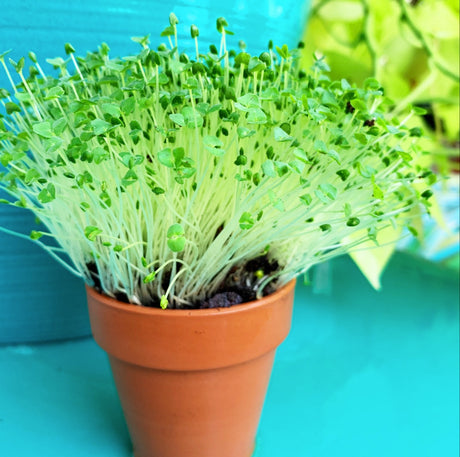
Green Shiso (Perilla frutescens), also called Perilla Leaf and Japanese Basil, is an herb in the mint family with large, bright green, wrinkled, serrated leaves. Not as spicy as Red Shiso. Used extensively in Japanese cuisine, it has a fresh minty-basil flavor with notes of clove and cumin, and a bitter, astringent finish. Pairs well with fish, rice, noodles, and vegetables, especially cucumbers. Also a medicinal herb with antioxidant, anti-bacterial, anti-inflammatory, and antiseptic properties. Its rhizome root can become invasive, so best grown in a container.
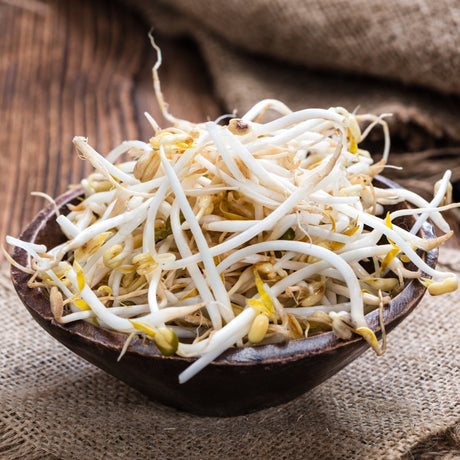
- Mint-basil-clove-cumin flavor
- Full sun
- Days to germinate (sprout): 7-21 days
- Days to maturity: 80-85 days
Good companion plants: Arugula, Basil, Bok Choy, Parsley, Tomato
🌱 Featured Collections
View all... continue shopping!
🔥 Trending Now
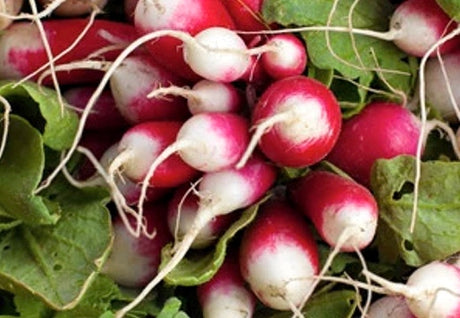
View all🪴 Essential Supplies -&- More
View allGet this month's seeds kit for FREE w/any-size order!
INCLUDES: Organic indoor seed starting soil pod + seeds of the month + plant label marker + instructions/grow guides
We want everyone to be successful growing their own sustainable organic vegetable garden. We created this Organic Gardening Grow Guides eBook ... and we're giving it away - for FREE! This eBook includes absolutely everything you need to know --- seed-to-harvest!


![Tomato - Cherry, Red (Large) [INDETERMINATE].](http://allnaturalme.seedsnow.com/cdn/shop/products/700xshutterstock_134576882.jpg?v=1775050510&width=1214)


![Tomato - Cherry, Red (Large) [INDETERMINATE].](http://allnaturalme.seedsnow.com/cdn/shop/products/700xshutterstock_126276653.jpg?v=1775050510&width=1214)